
Problem
Do you ever check your bill at the restaurant? As someone who checks occasionally, I am always surprised by the number of errors that occur.
Have you ever checked your health plan bill? Part of my job is doing just that – checking self-insured employers' health plan bills. The number of errors is astonishing – often adding up to over 5% of plan cost!
Unfortunately, the complexity of administering many complicated provider contracts, combined with an outdated claim-based payment system (often executed with a challenged IT infrastructure), creates a breeding ground for mistakes. Errors include: incorrect guarantee payments, untriggered stop-loss payments, inaccurate shared savings, admin fee overcharges, charges not in contracts, inaccurate claims, invoices that don't reconcile, etc.
For many CFOs, this lack of financial control is unacceptable, especially given that employee healthcare is most employers' second largest fixed expense.
Complication
The primary barriers to proper financial control are:
- Inaccessible data
Many self-insured employers do not have direct access to their claim data (the vendors do not make it easy), and if they do, it is often locked in a reporting software or warehouse. - Not knowing where to look
The invoices and contract terms to reconcile are often buried deep in a payment portal or in the addendum of a contract. Unless you know where to look, it will be difficult for your HR team or Risk Manager to find and load the right information to verify. - Lack of time and effort to perform reconciliation
Claims data is cumbersome and complex. Manual reconciliation is cost-prohibitive.
Solution
Leverage modern data management capabilities to perform the reconciliations.
Rather than dumping just claims data into a warehouse, use a data hub that integrates invoice details and contract terms. Then leverage software to perform the cumbersome reconciliations.
Your CFO, your accountants, your ERISA attorneys – and your pocketbook – will be happy.
Wellnecity Example
In one example, Wellnecity verification of PBM (Pharmacy Benefits Manager) rebate terms found a $1.4M underpayment that the client was able to recover after the inaccuracy was resolved.
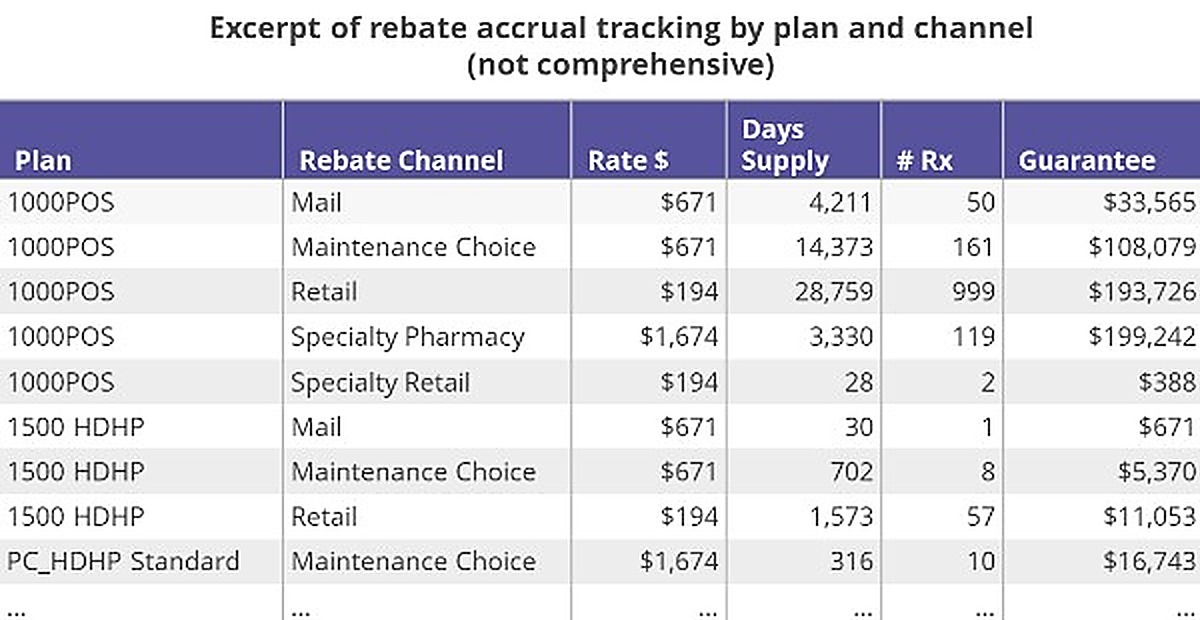
When mentioned to a former executive from this PBM, he said "that does not surprise me in the least!"
Get Insights Delivered to Your Inbox
Practical strategies for self-funded health plan management, delivered regularly.
Subscribe to Insights