
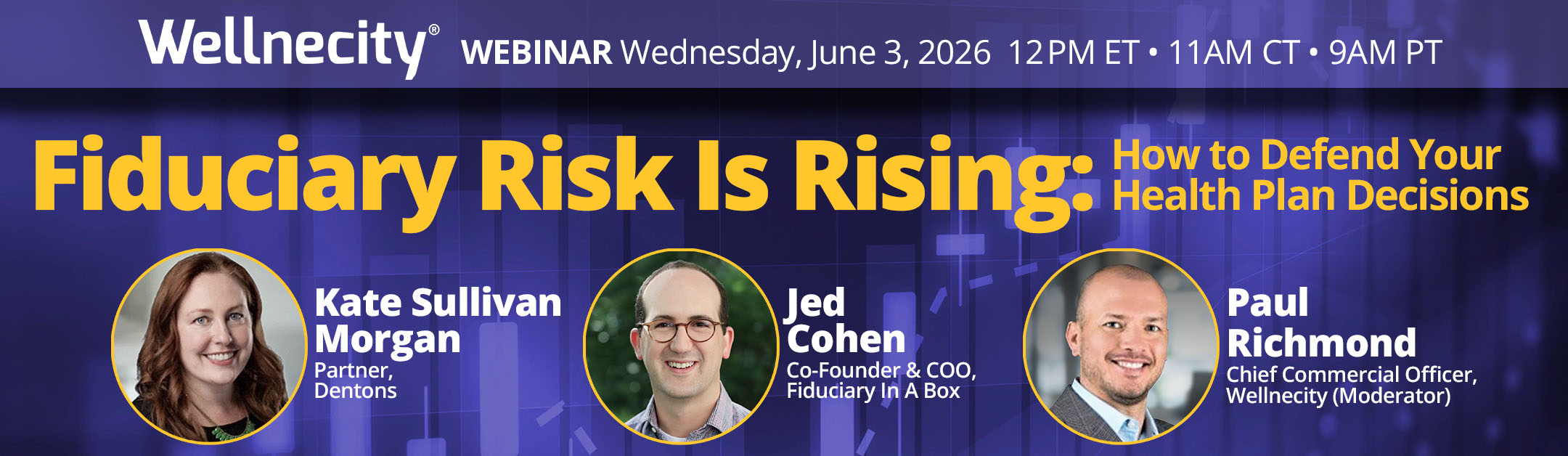
Fiduciary Proof in Practice
—Defensible Governance in a 9% Trend Environment
Healthcare costs are rising. Expectations are changing.
Disclosure is no longer enough.
The question now is: Can you prove it—and defend it?
Fiduciary responsibility is no longer a periodic checkpoint—it’s an ongoing standard.
This session brings together legal, operational, and employer perspectives on how that standard is being defined—and where organizations are most exposed.
Why Attend
Most organizations have reporting. Fewer have proof.
Fiduciary responsibility now requires more than visibility—it demands continuous oversight, validated performance, and documented decisions that hold up under scrutiny.
This session will show how leading employers are closing that gap.
What You’ll Learn
- What must be documented—and defensible
- Where fiduciary exposure most often arises (GLP-1s, PBM rebates, vendor guarantees)
- How to independently validate vendor performance
- What audit-ready documentation looks like in practice
Event Details
Date: Wednesday, June 3, 2026
Time: 12:00 PM ET | 11:00 AM CT | 9:00 AM PT
Duration: 60 minutes
Can’t attend live? Register to receive the recording.
Who Should Attend
- CFOs, CHROs, and Benefits Leaders at self-funded employers
- Teams responsible for vendor performance, cost management, and plan oversight
- Organizations looking to move from reporting to defensible governance
Speakers

Kate Sullivan Morgan
Partner, Dentons
Kate Sullivan Morgan advises employers, plan sponsors, and fiduciaries on ERISA compliance, health and welfare plan governance, and risk management. Her work focuses on helping organizations navigate evolving regulatory expectations, strengthen fiduciary processes, and ensure that plan decisions are both well-documented and defensible. She regularly counsels clients on complex issues including vendor oversight, plan design, and fiduciary exposure in high-cost and high-scrutiny areas.
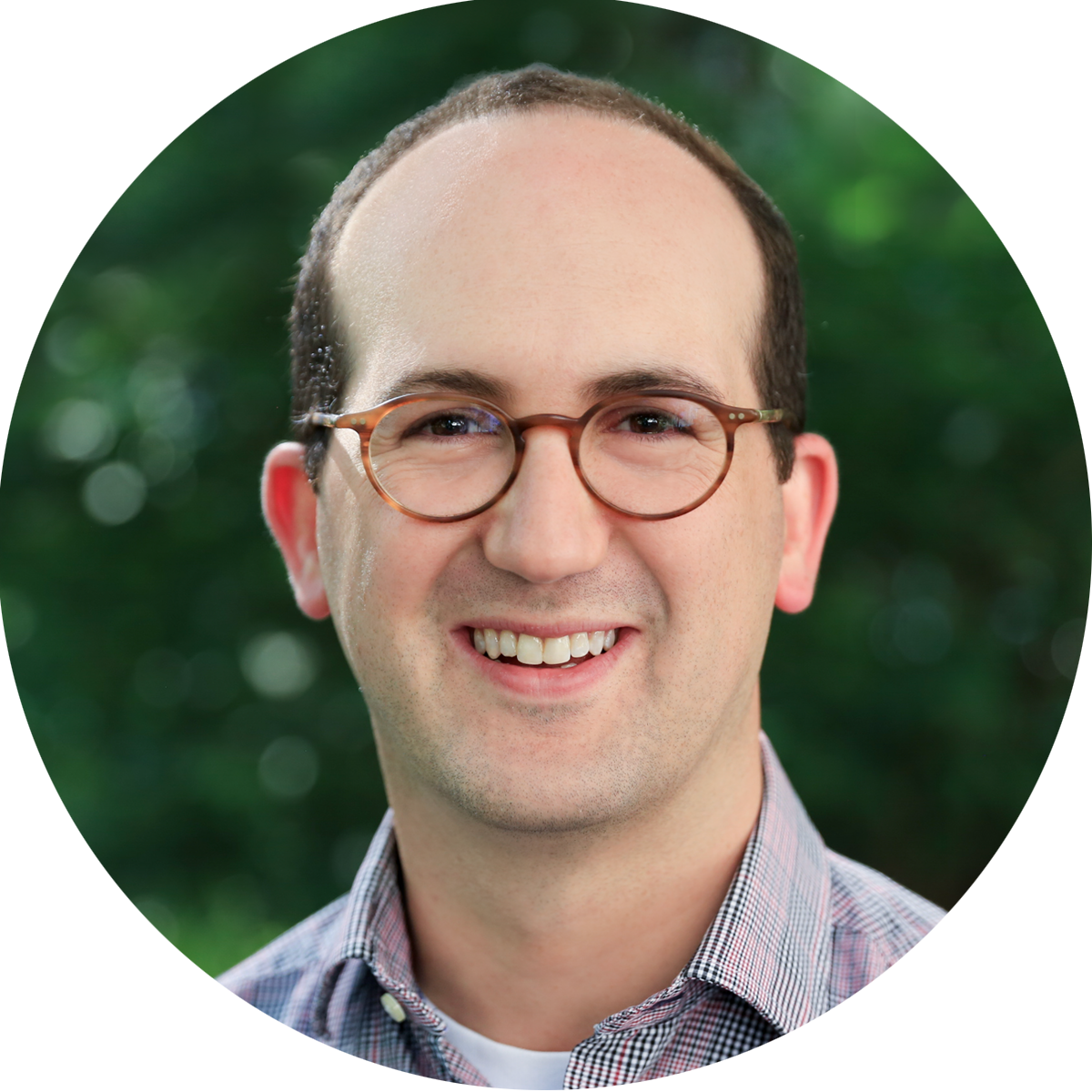
Jed Cohen
Co-Founder & COO, Fiduciary In A Box
Jed Cohen works with employers to operationalize fiduciary responsibility through structured governance frameworks, documentation standards, and repeatable oversight processes. He focuses on helping organizations move beyond informal or periodic review toward audit-ready practices that demonstrate consistent, defensible decision-making. His work emphasizes practical implementation—ensuring fiduciary standards are not only defined, but executed.

Paul Richmond
Chief Commercial Officer, Wellnecity (moderator)